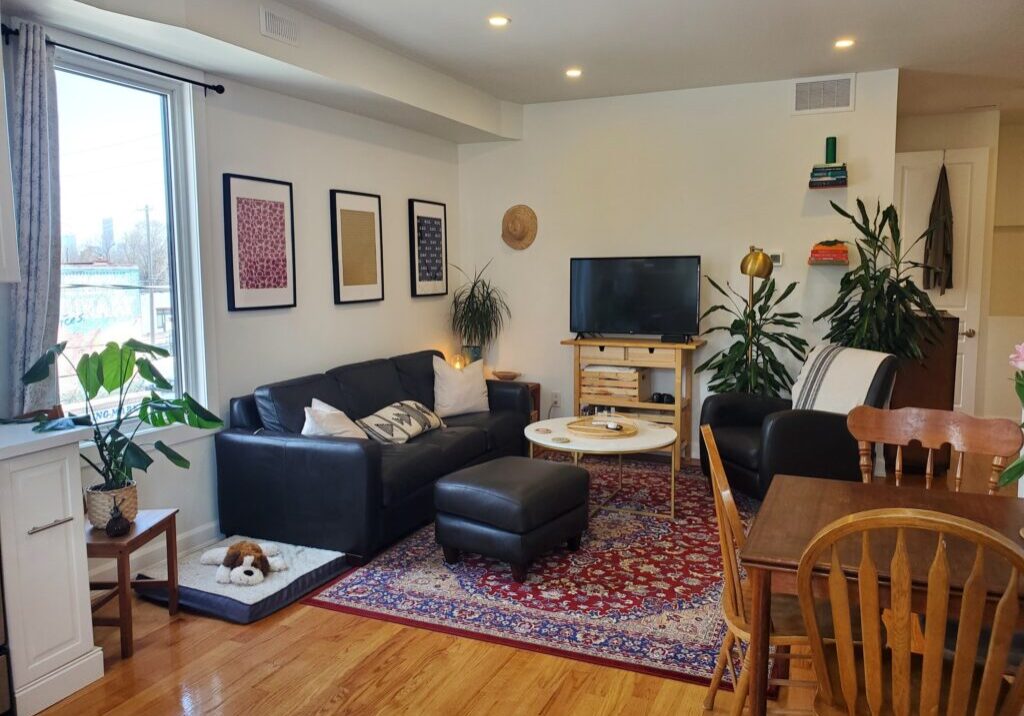
There is a question we ask ourselves at every stage of the Alliance process, from acquisition through to day-to-day management: would we want to live here?
It sounds simple. But it shapes everything we do: how we design a unit, how we maintain a building, and how we respond when a resident needs something.
Toronto has a well-documented housing shortage, but the shortage is not just about quantity. It is about quality and character. The city needs more housing in the neighbourhoods where people actually want to live, walkable, established communities close to the urban core, and it needs that housing to be well designed and well maintained.
The Market Today
Toronto’s rental vacancy rate climbed in the first quarter of 2026 to its highest point since the onset of the pandemic, with 5.4 percent of rental apartments in the Greater Toronto and Hamilton Area sitting empty, more than double what it was two years earlier, when vacancy sat at 2.6 percent.
In a market where vacancy rates are rising and incentives have become the default response to softening demand, the most durable answer is a better product and resident experience. That is where high-touch property management makes the difference.
What High-Touch Actually Means
The phrase “high-touch property management” can sound nebulous. In practice, it means something specific: we respond to residents within an hour. We carry out preventative maintenance before issues become problems, rather than waiting for something to break. We are attentive to the property and to the people living in it in a way that makes residents feel genuinely at home rather than simply housed.
It also means the physical product is held to the same standard. Boutique buildings with quality finishes, thoughtful layouts, and outdoor space are not incidental design choices. They are the foundation of a living experience that residents want to stay in.
Why This Translates to Stability
When residents feel genuinely at home, they stay and refer people they know. Over time, leasing becomes fuelled by existing relationships, reducing the cost and time of filling units.
This has translated to a quick leasing process. Our units on Pauline Avenue were leased to waitlist applicants before construction was finished, and our development at Davenport filled almost entirely from our existing waitlist.
A vacant unit is not just lost rent. It is lost time and the risk of a poor fit the next time around. The preventative approach to maintenance, to tenant relationships, and to the physical condition of the property means that investing in the resident experience today directly protects performance tomorrow.
The Long View
Markets move in cycles. Vacancy rates rise and fall, incentives come and go, and the broader rental landscape will continue to shift. What does not change is that residents stay where they feel at home, where their calls are answered, and where the building is cared for as well as they care for it themselves.
That is the standard we hold ourselves to. It is what informs how we build, how we manage, and how we measure whether we are doing our job well. And it is what continues to translate, in any market, into stable occupancy, strong resident relationships, and properties that perform.